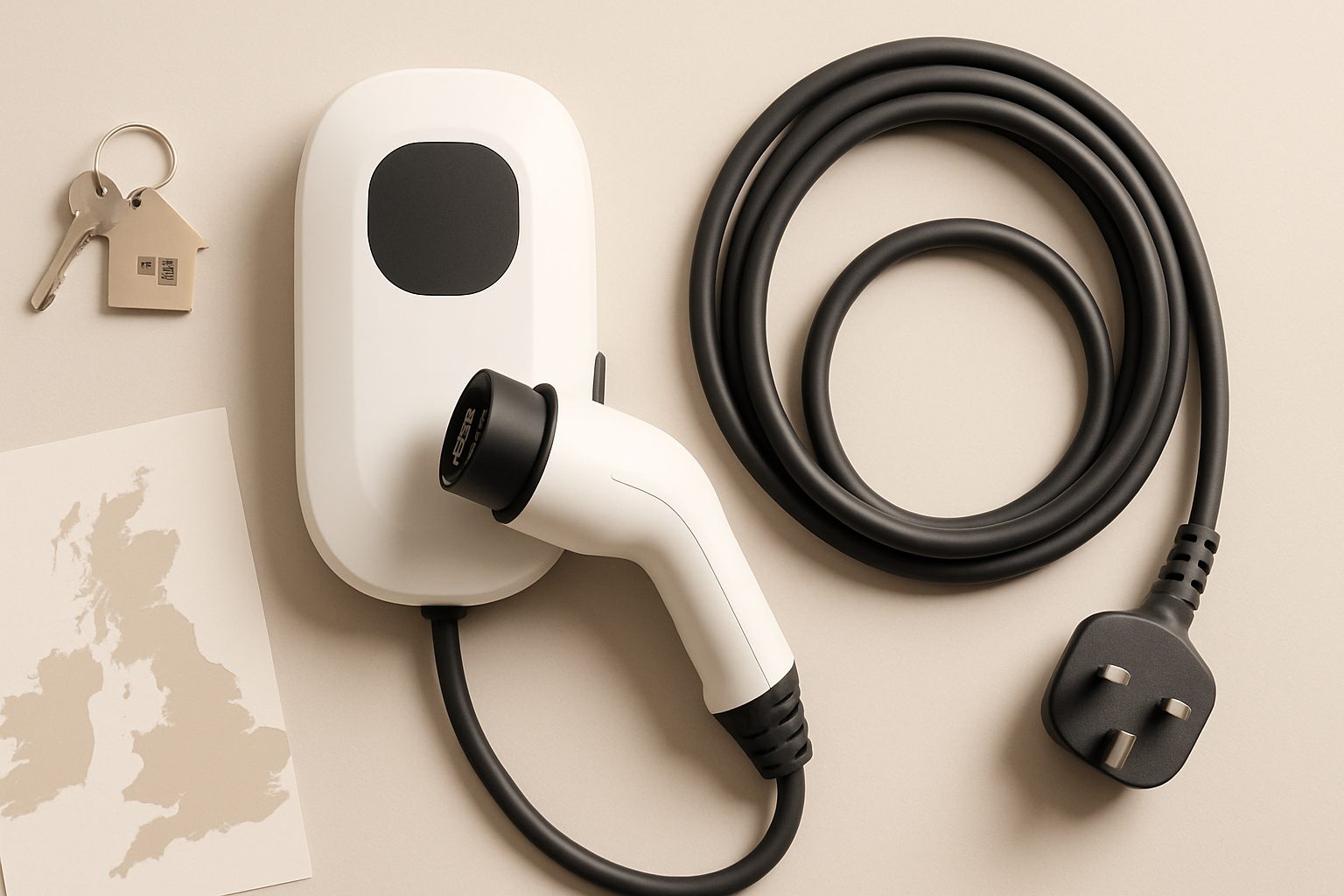
Ohme vs Zappi vs Wallbox Pulsar Plus: Which Home EV Charger Wins?
If you're buying a home EV charger, these three brands dominate the conversation in the UK. But they're not identical—each excels in different areas, and picking the wrong one for your use case costs you convenience and money over time. Here's what you actually need to know.
Quick overview
Ohme is the newcomer obsessed with smart scheduling. Zappi is the solar-integration specialist. Wallbox Pulsar Plus is the Swiss Army knife—competent across everything, premium across the board. All three are reliable hardware. The differences are in software, features, and who they're really built for.
Spec comparison at a glance
| Feature | Ohme | Zappi | Wallbox Pulsar Plus | |---------|------|-------|-------------------| | Max output | 7-11 kW | 7-11 kW | 7-11 kW | | Smart scheduling | Excellent | Good | Good | | Solar integration | Basic | Excellent | Excellent | | App quality | Excellent | Good | Very good | | Connectivity | WiFi + 4G | WiFi + Zigbee | WiFi + ethernet | | Price | £599-799 | £999-1,299 | £799-1,099 | | Load balancing | Yes | Yes | Yes |
Smart scheduling: Ohme's real strength
Ohme was designed around one idea: charge your car when electricity is cheapest. The app learns your driving patterns and automatically schedules charging during off-peak hours or low-carbon periods. If you have an Octopus Energy account with an agile tariff, this genuinely saves you money—sometimes £10-20 per week depending on your driving habits and usage.
Zappi and Wallbox offer scheduling too, but it's more manual. You set time windows; they charge within them. Neither learns from your behaviour or optimises across multiple tariff changes daily the way Ohme does. If you're a daily commuter on an expensive day-rate tariff, Ohme's automation pays for itself in under a year.
The catch: Ohme's solar integration is reactive and clunky compared to Zappi. It doesn't actively harvest excess solar energy the way Zappi does.
Solar integration: Zappi leads here
If you have solar panels or are planning to install them, Zappi is the smarter choice. It genuinely diverts excess solar energy to your car in real time using hardware called an immersion relay, which costs around £200 extra but works brilliantly.
Wallbox Pulsar Plus also integrates with solar systems (via Huawei, SMA, and Fronius inverters), but setup is more involved. Zappi's solar integration feels more intuitive—the Eco mode watches your generation in real time and throttles charging to match what you're producing.
Ohme doesn't officially support solar diversion hardware yet, though that's supposedly coming. If you're betting on solar offsetting your charging costs, Zappi is the no-question choice here.
App and user experience
Ohme's app is the best of the three. It's clean, fast, and tells you exactly what you need: when it will charge, what it will cost, and how much carbon you're avoiding. The notifications are actually useful.
Zappi's app feels older. Features are scattered across menus, and you need separate accounts if you have multiple vehicles. It works, but it's not a joy to use.
Wallbox Pulsar Plus's app is in the middle—better design than Zappi, less polish than Ohme. It integrates with the broader Wallbox ecosystem (home batteries, solar optimisers, EV routers), which is powerful if you're building a full renewable energy setup.
Price and value
Ohme is the cheapest at £599-799 depending on whether you want one or two sockets. That's genuinely good value for the smart scheduling alone.
Zappi sits at £999-1,299. You're paying for solar integration premium, which is worth it if you have solar panels. Without them, it's harder to justify the premium.
Wallbox Pulsar Plus is £799-1,099. It's not the cheapest, but it's not the most expensive either. The real cost is installation, which runs £300-600 across all three because they all require professional electrical work.
All three should be eligible for the OZEV £350 grant, though that's gradually being phased down.
The verdict: Which one for you?
Choose Ohme if: You're on an agile or time-of-use electricity tariff and want automatic savings without thinking about it. You charge mostly from the grid, not solar. You appreciate clean, intuitive software. Budget around £700.
Choose Zappi if: You have solar panels or are installing them soon. You want active solar diversion and don't mind spending more for a specialist product. Budget around £1,150.
Choose Wallbox Pulsar Plus if: You're building a complete home energy system (solar, battery storage, demand-side response). You want mature, reliable hardware with lots of integration options. Budget around £950.
If you're undecided between Ohme and Zappi—no solar, but you're tempted—pick Ohme and spend the £400 saving on solar panels themselves. The ROI is better.
All three will serve you well for five-plus years without hassle. The charger itself is the least variable part of this decision. The software and features are what actually improve your life.
More options
- Ohme Home Pro EV Charger (Amazon UK)
- Zappi V2 EV Charger (myenergi) (Amazon UK)
- Wallbox Pulsar Plus EV Charger (Amazon UK)
- Andersen A2 EV Charger (Amazon UK)
- Portable Mode 2 EVSE Granny Cable (Amazon UK)